method · 3 min read
The Integral Role of Lymphatic Drainage Massage in Post-Cosmetic Surgery Recovery: A Deep Dive
In the world of cosmetic surgery, the journey to achieving the desired aesthetic outcomes extends far beyond the operating room.
By Zhanna Graeff · February 12, 2024 · Updated June 18, 2026
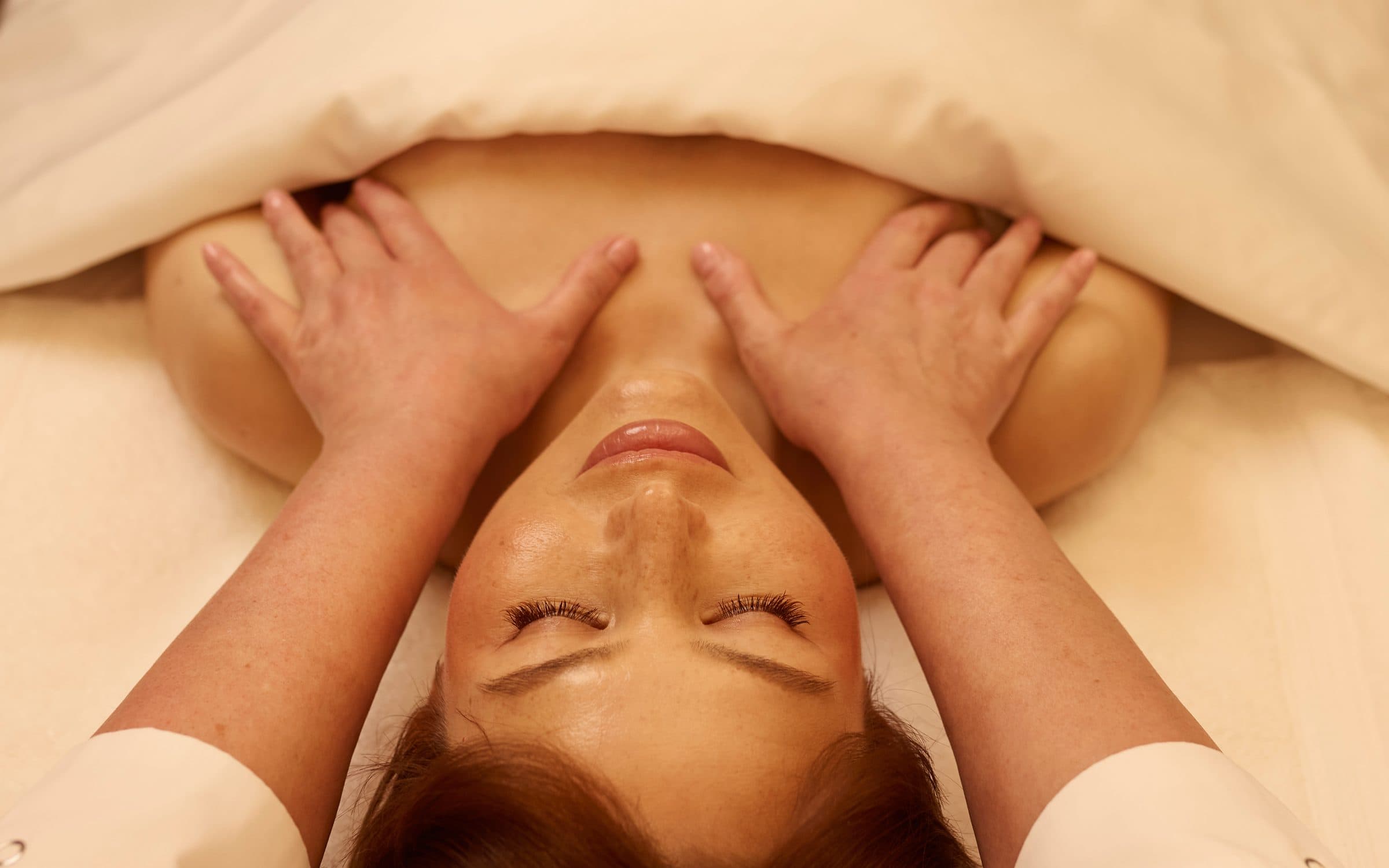
Cosmetic surgery does not end in the operating room. The recovery is its own process, and it shapes both how fast you heal and how good the result looks once the swelling settles. Among post-operative techniques, lymphatic drainage massage (LDM) is one of the most useful — and one of the most misunderstood. This is what it does, why it works, and how it fits into a recovery plan.
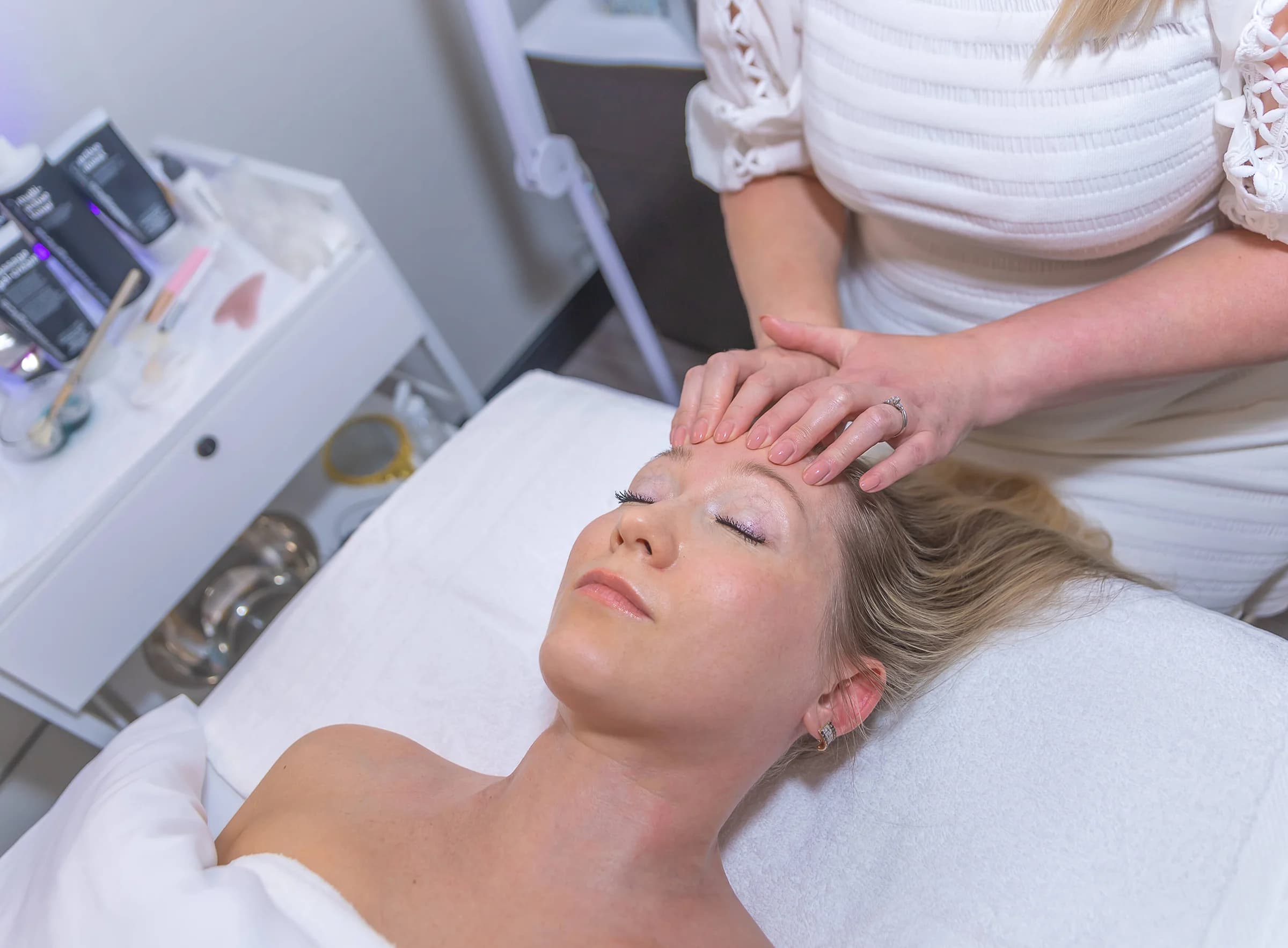
The science behind lymphatic drainage massage
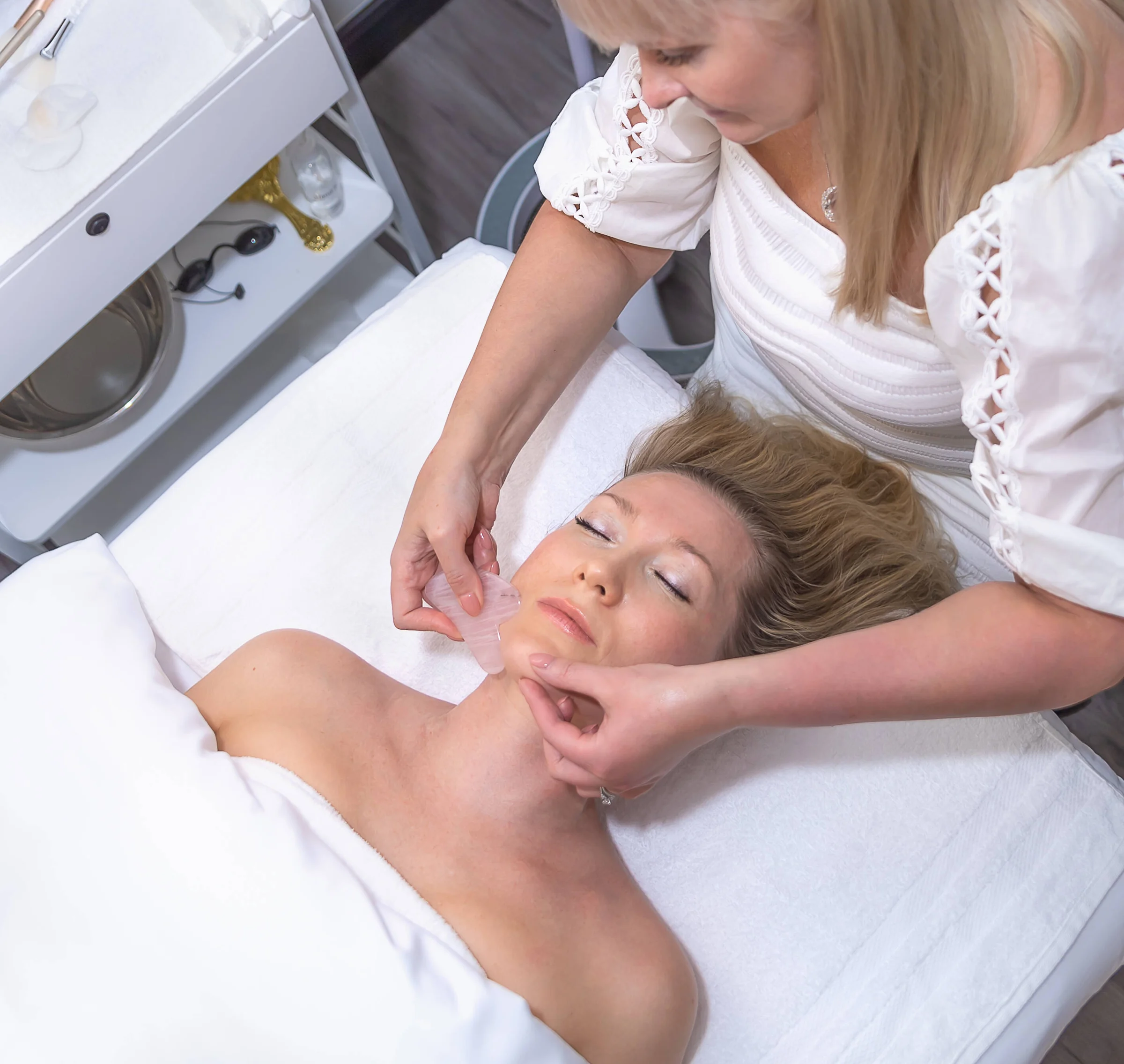
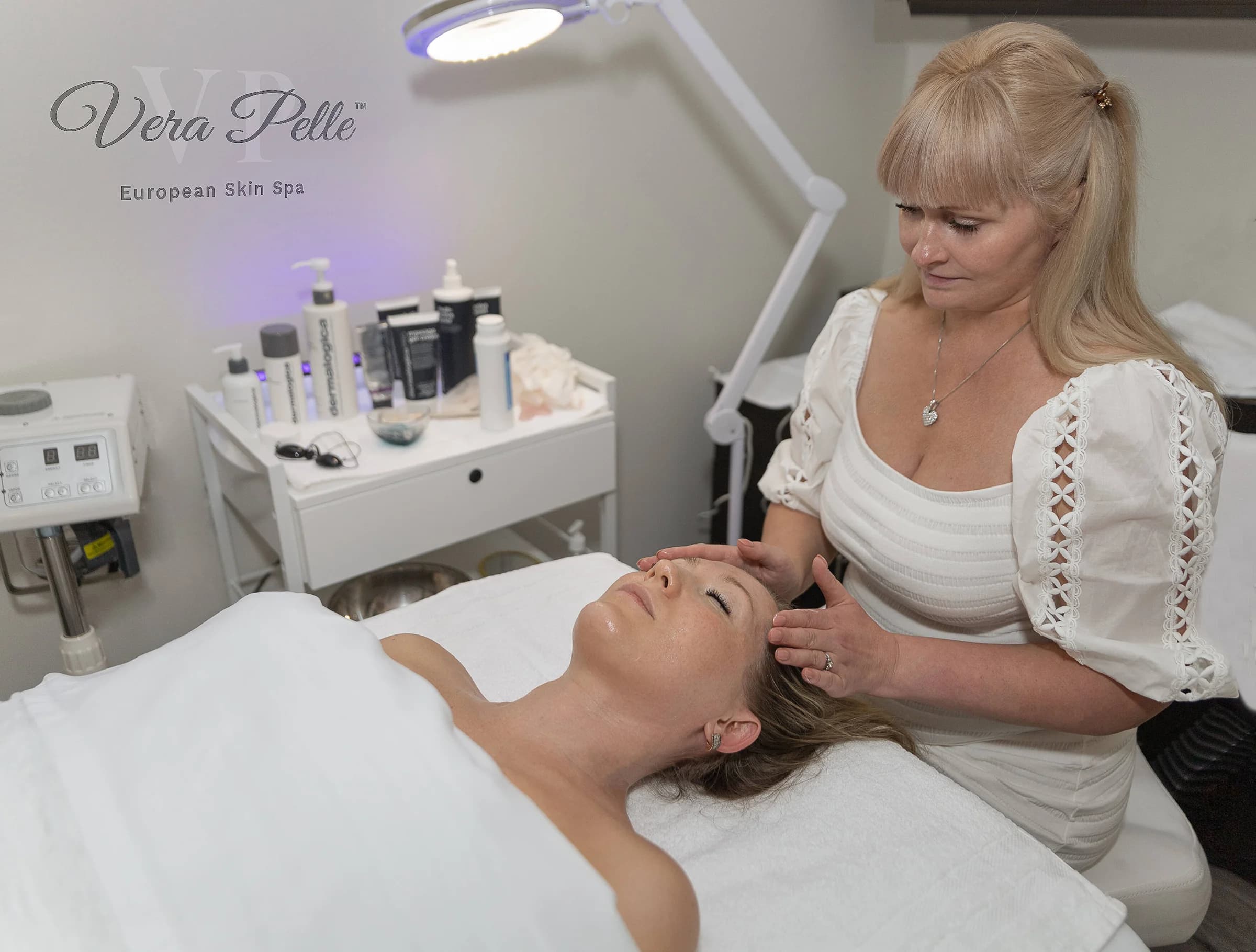
LDM is a manual technique that activates the lymphatic system — the network of vessels and nodes that moves lymph, the fluid carrying white blood cells and cellular waste, out of the tissues and back into the bloodstream. The lymphatic system has no central pump. It depends on muscular movement and, when it is overloaded after surgery, on manual stimulation to keep moving.
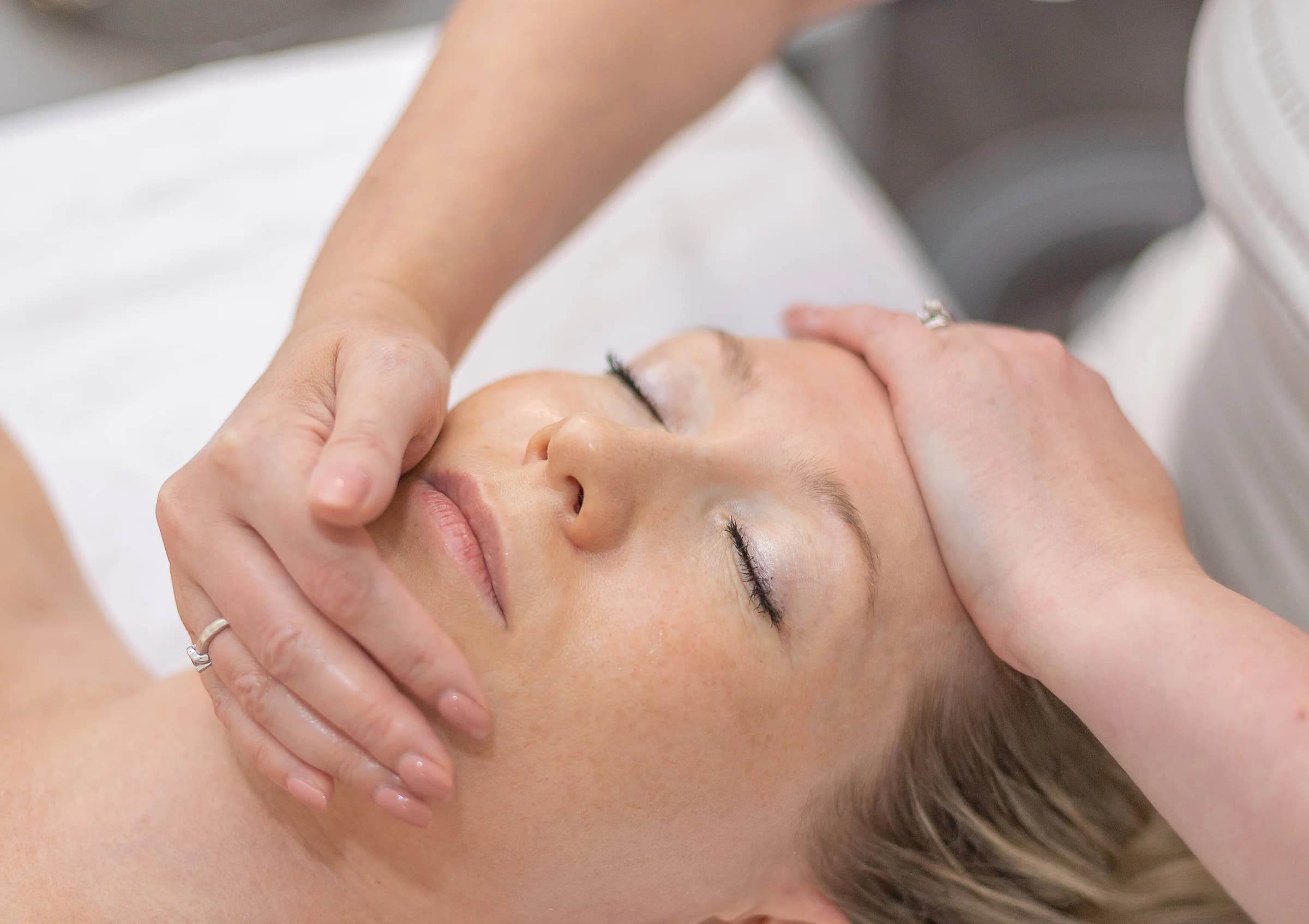
LDM supplies that stimulation. Gentle, rhythmic, directional pressure follows the lymphatic pathways and the order in which the nodes drain, encouraging the system to clear the excess fluid and waste that build up around a surgical site.
Enhancing cosmetic-surgery outcomes
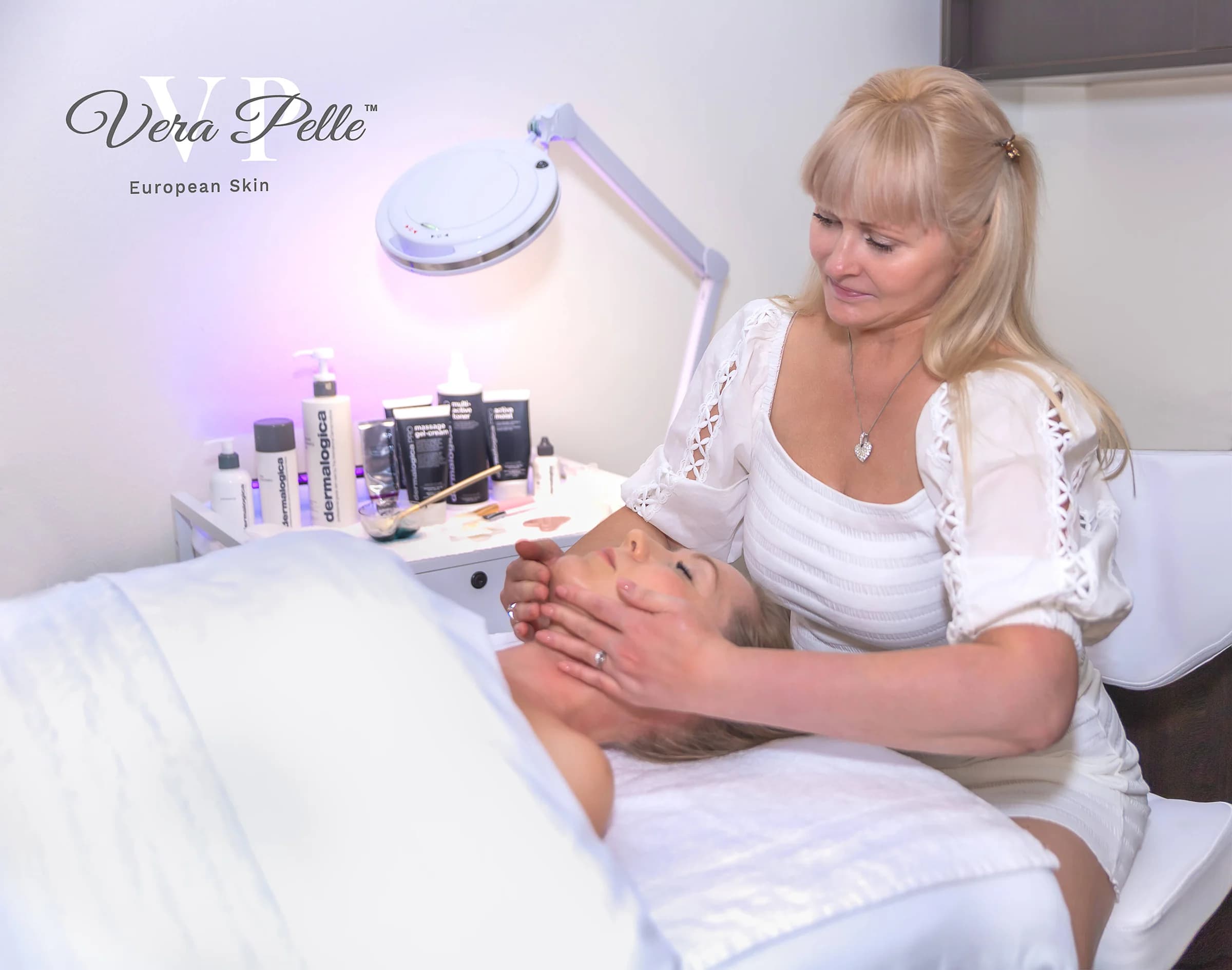
When the lymphatic system is moving the way it should, the recovery is faster, cleaner, and less prone to complications. The specific benefits:
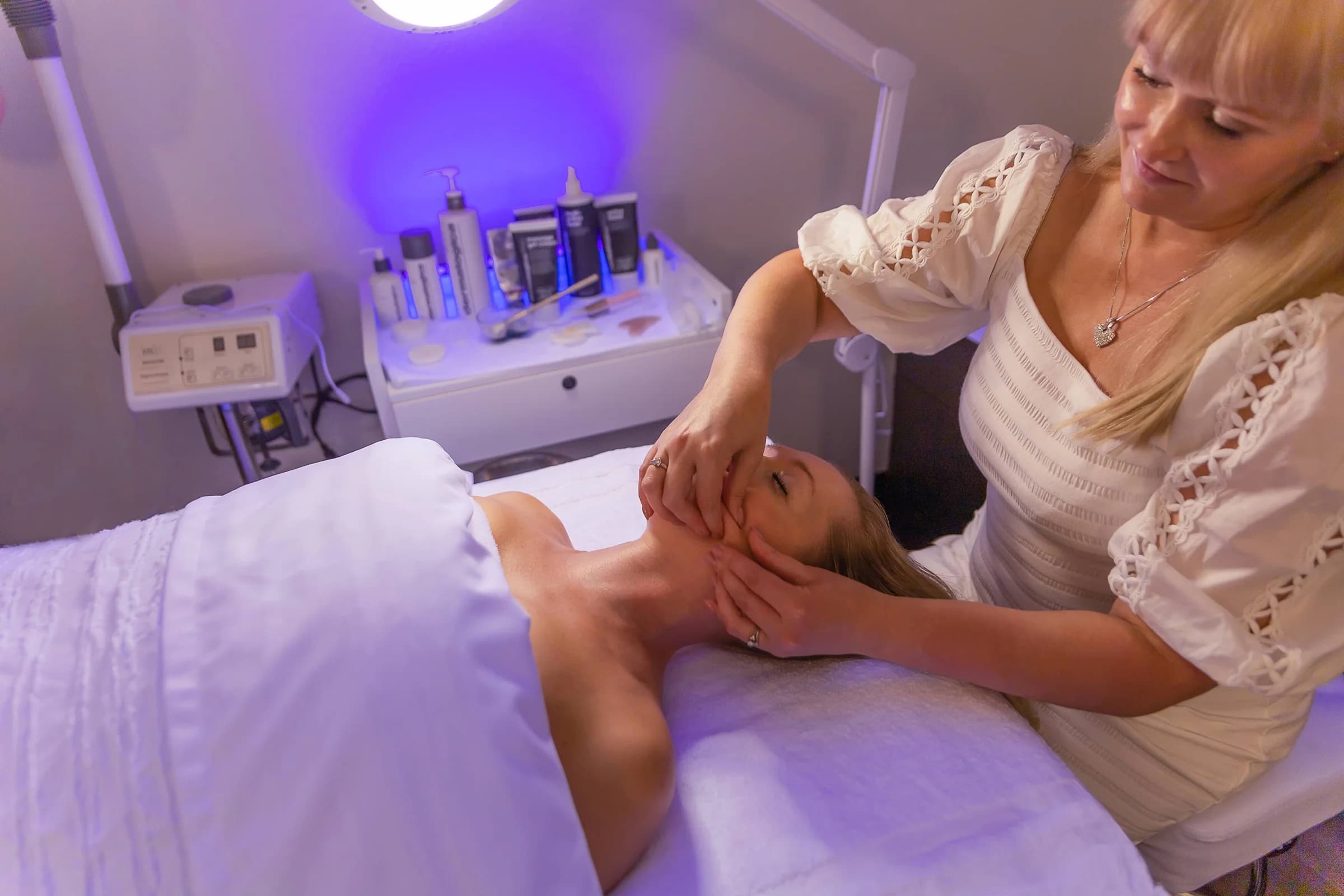
- Accelerated recovery — By clearing fluid buildup and bringing down inflammation, LDM reduces post-operative swelling and bruising. You see the surgical result sooner, with less discomfort along the way.
- Improved aesthetic results — Efficient drainage and reduced fibrosis (the formation of hard, fibrous tissue) mean smoother, more uniform healing. That directly affects the appearance of the skin and the final contours.
- Prevention of complications — Stimulating the lymphatic system lowers the risk of post-surgical problems such as infection or lymphedema (severe, persistent swelling). Supporting immune function keeps the recovery on a straighter path.
- Whole-body support — The work is slow and quiet, and most people find it eases the strain of the recovery period. Feeling settled rather than anxious matters more to healing than people expect.
Implementing LDM in post-surgery care
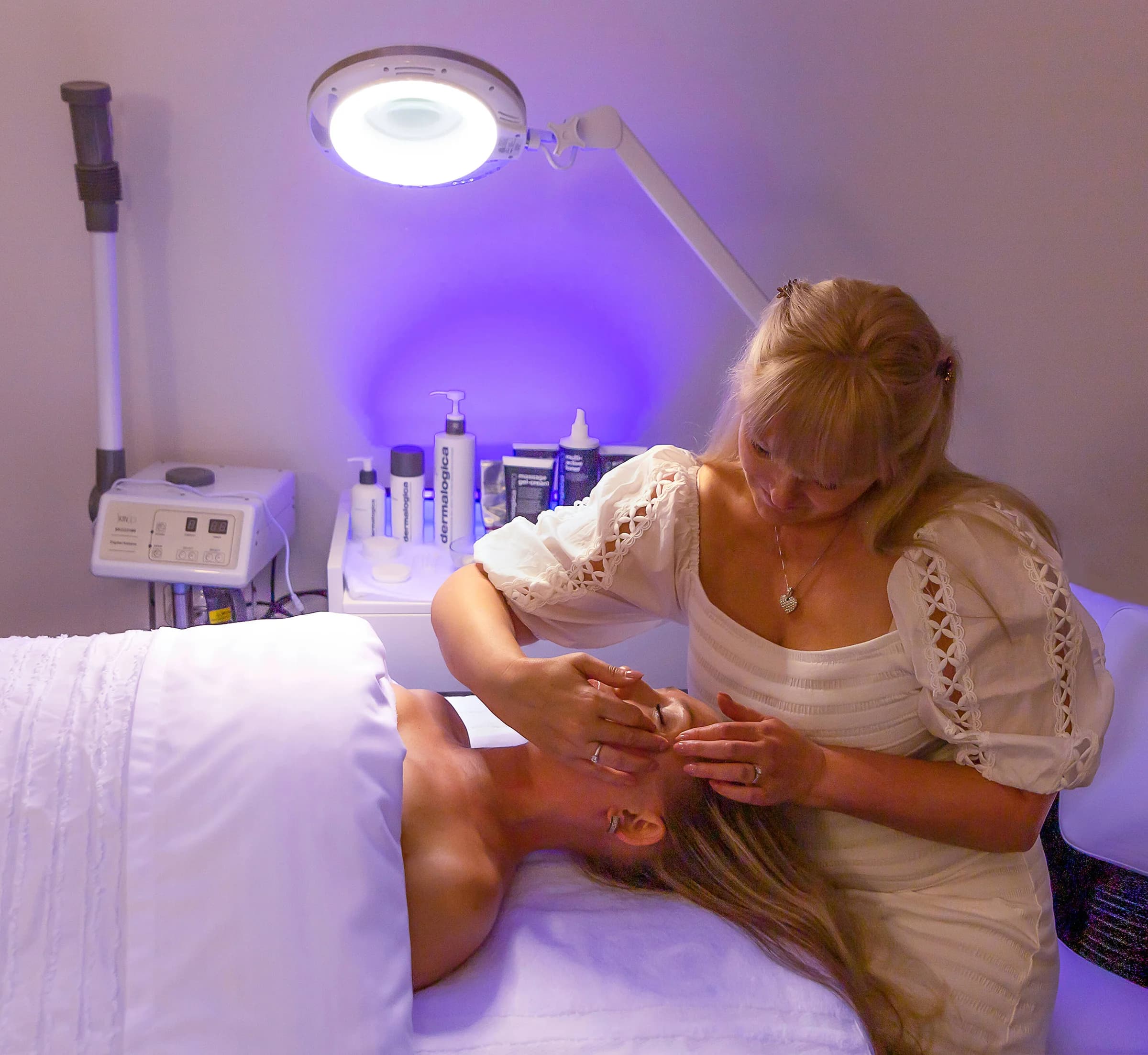
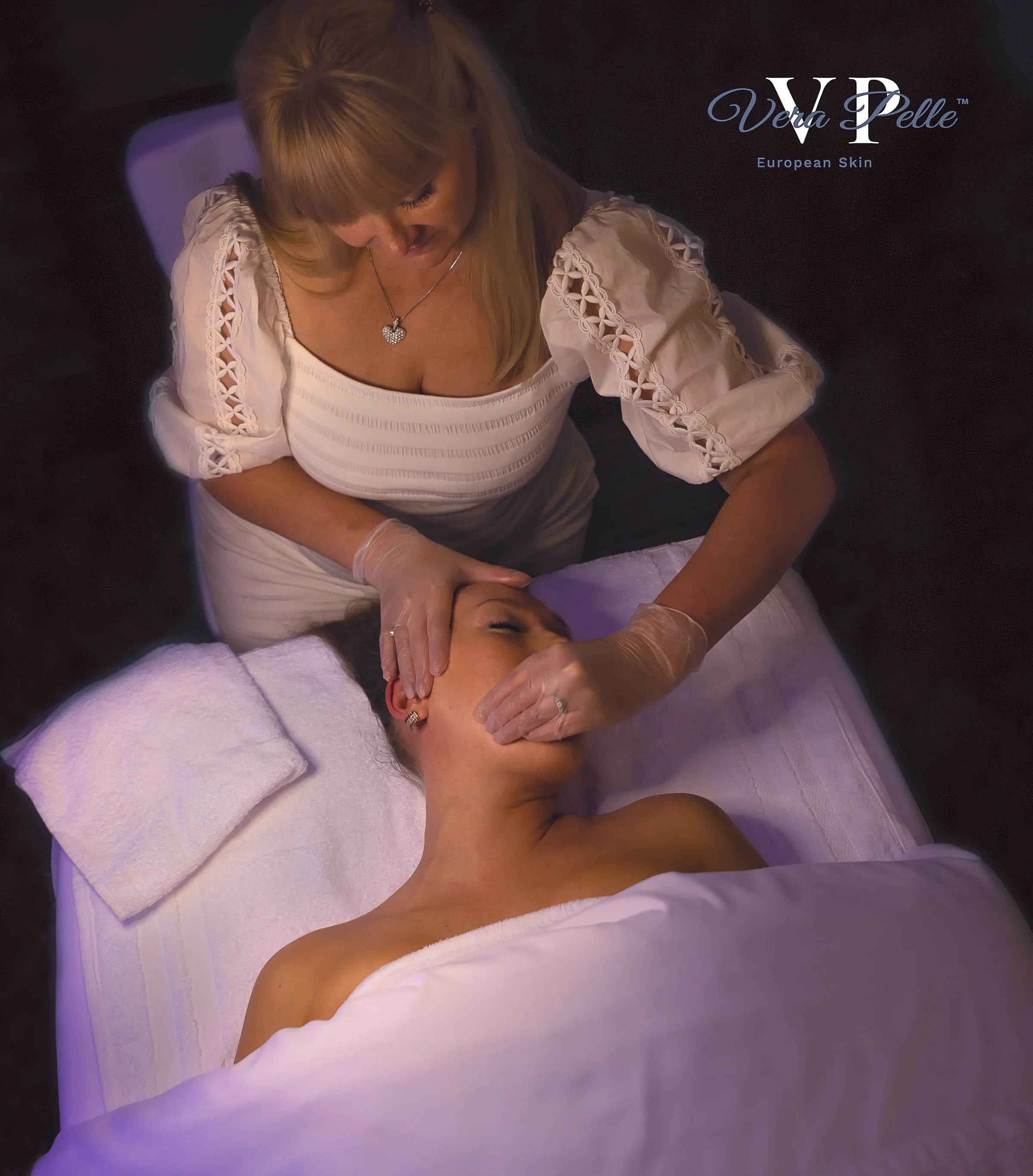
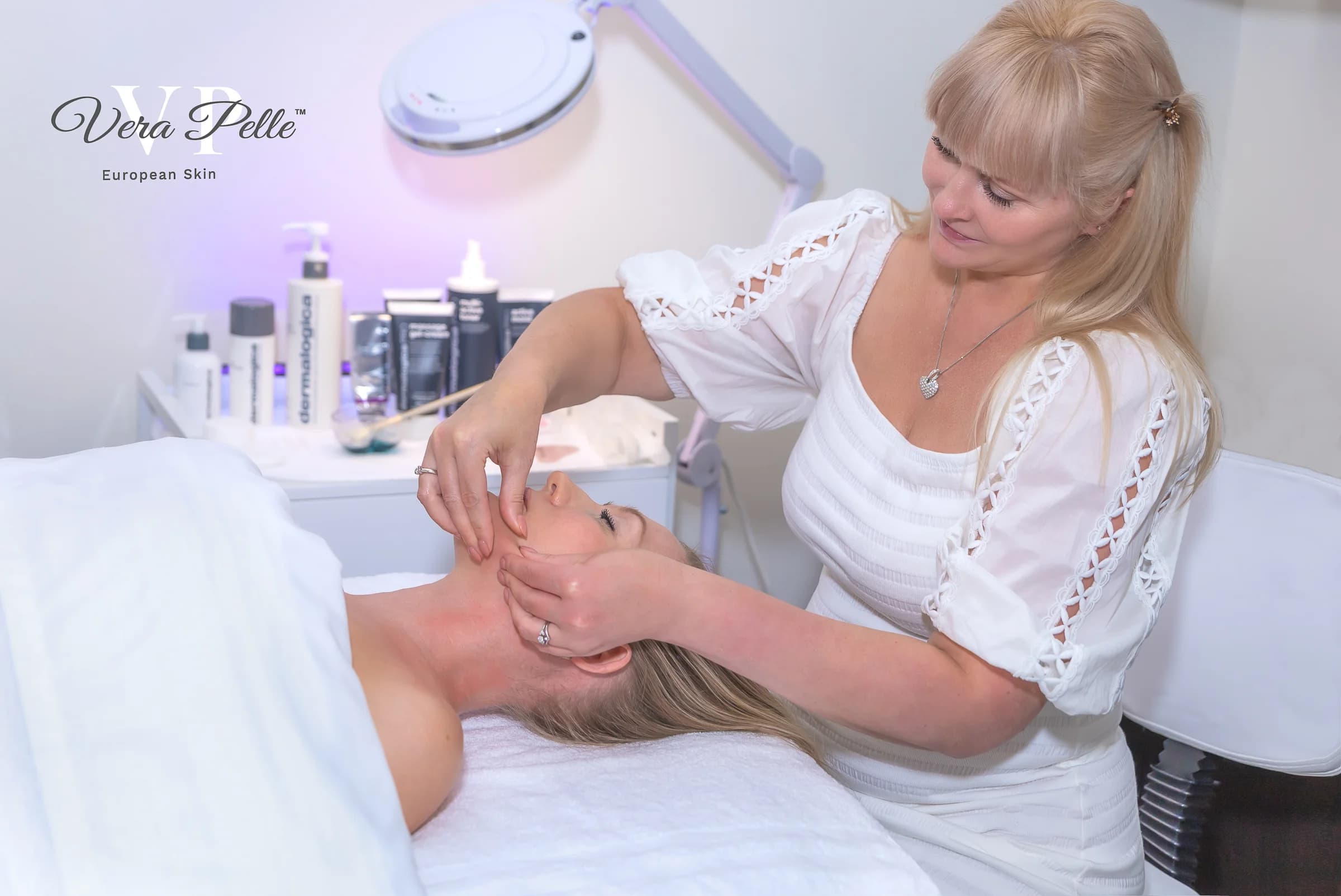
For the best outcome, LDM belongs in the recovery plan from the start. The first session is usually scheduled within the first few days after surgery, with the sessions that follow spaced according to the procedure and how the individual is healing. Frequency and length are tailored to each person and adjusted as recovery progresses — there is no single protocol that fits every surgery or every body.
Conclusion
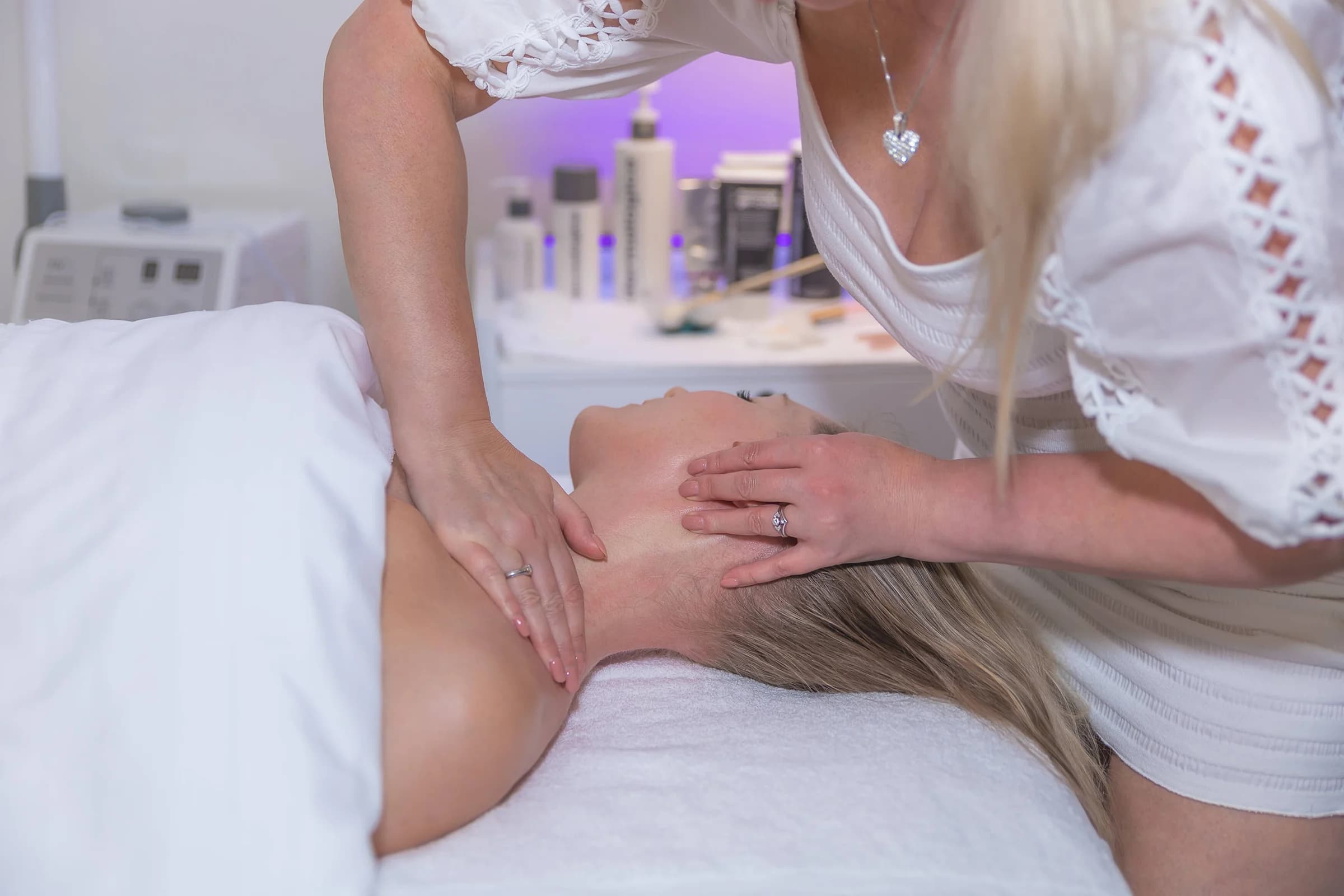
Lymphatic drainage massage is one of the most reliable tools in post-cosmetic-surgery care. It works with the body's own healing process — shortening recovery, lowering the risk of complications, and improving how the final result looks. As more surgeons and patients understand what it does, it is becoming a standard part of post-operative care rather than an afterthought.
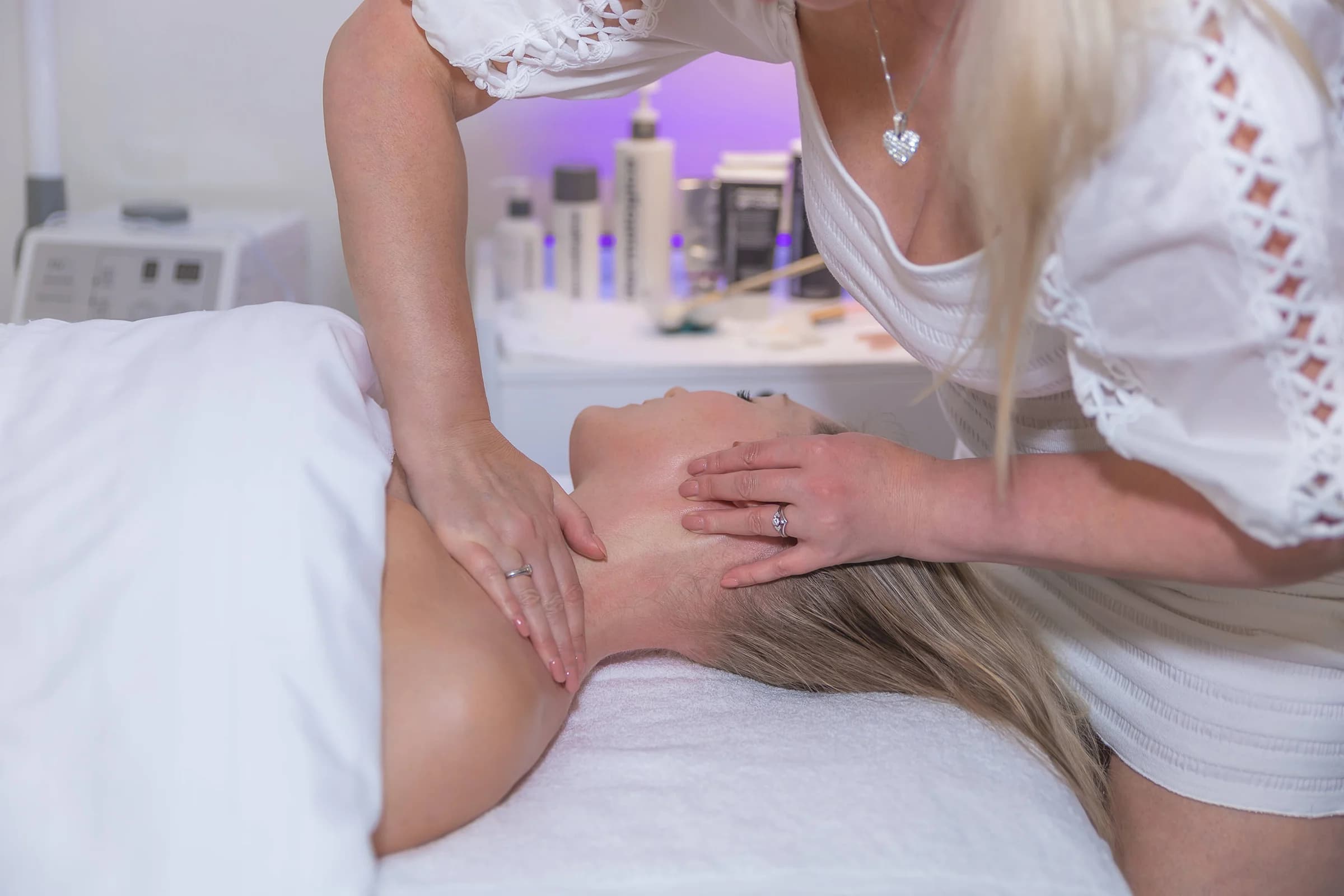
If you want the practical version — what these sessions feel like and how they map to a recovery timeline — read the essential benefits of lymphatic drainage facial massage for post-op and post-cosmetic surgery.
Continue reading
Want to book the treatment this piece is about? See the service page →
Pairs with
From the shelf & the menu.
More from Pelle Vista
Continue the thread.
Pelle Vista
Get the next one in your inbox.
Monthly at most. From the treatment room itself.