skin-science · 4 min read
Cortisol face: what's real, and what a facial can do
Cortisol face is all over social media. What an endocrinologist says it is, when a round face needs a doctor, and what drainage does for puffiness.
By Zhanna Graeff · November 12, 2026
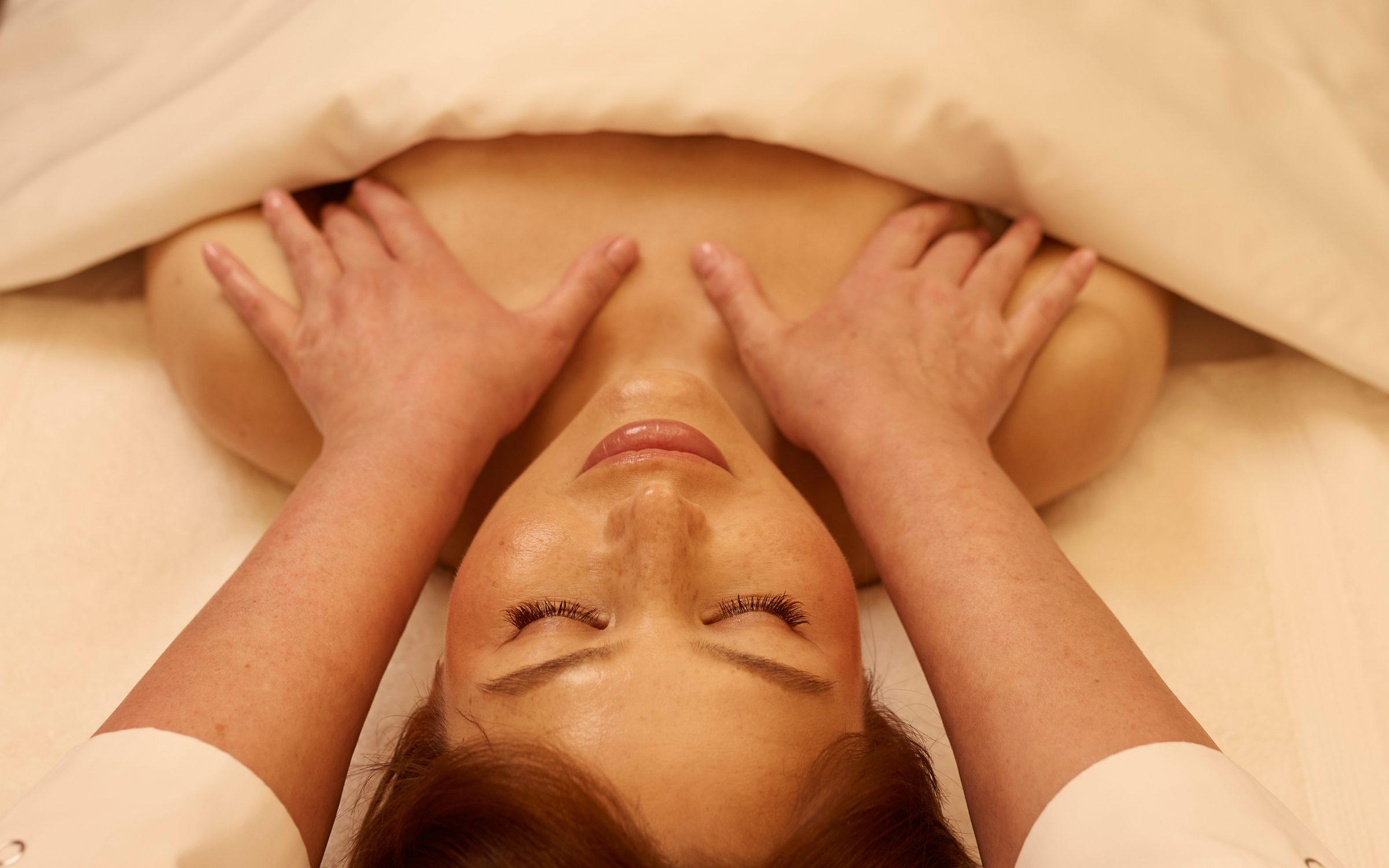
"Cortisol face" has been all over social media since 2024. The videos show a round, puffy face and blame stress hormones. Parts of that are accurate and most of it is not. One medical point needs to come first.
What cortisol face is, and is not
"Cortisol face" and "moon face" are not medical terms. An endocrinologist at the University of Colorado explains that the real condition is a round, full face from cortisol staying high for a long time (doctors call it "moon facies") (CU Anschutz, 2024). The most common cause is steroid medicine taken for months, as pills, injections, inhalers or creams. A rarer cause is a tumor that makes the body produce too much cortisol, called Cushing's syndrome.
That kind of round face usually comes with other signs. The same endocrinologist lists the signs that travel with it: weight gain at the belly and the back of the neck, thin arms and legs, wide purple stretch marks, easy bruising, and high blood pressure or blood sugar.
If your face has changed shape and stayed changed, and any of those signs sound familiar, see your doctor before you book a facial. There is a simple blood test. Massage will not help with it, and I would rather send you to a doctor than take your booking.
What most puffiness actually is
For most clients, the puffy face is fluid, and it has ordinary causes.
- Sleep. In a Swedish study, 10 people were photographed after a normal night and after 31 hours awake (SLEEP, 2013). Raters saw more swollen eyes, more hanging eyelids and darker circles in the tired faces.
- Salt and alcohol. Both hold water, and the face shows it by morning.
- Time of day. Fluid settles in the face while you lie flat. Most faces are puffiest in the first hour after waking.
- Allergies. Houston's cedar, oak and ragweed seasons congest the sinuses and the tissue around the eyes.
- Stress itself. Stress shows in the skin. In a study of healthy women, an interview stress test and one night without sleep both slowed how fast the skin barrier repaired itself (Journal of Investigative Dermatology, 2001). A weaker barrier looks dull and reacts more.
Menopause and puffiness
Perimenopause and menopause change the face in two ways. Fluid shifts with the hormones, and many women notice a puffier face in some weeks than others. Underneath, collagen falls: a review in Menopause International put the loss at as much as 30% in the first five years after menopause (Calleja-Agius, Muscat-Baron and Brincat, 2007). Thinner skin over puffy tissue looks heavier along the jaw than it did at forty.
Massage does not change hormones and does not rebuild collagen on its own. It does move the fluid, and that is often the part clients notice most.
What a facial can do
The European Lymphatic Facial Massage is built for this face. It opens the lymph nodes in the neck first, then drains the jaw, temples and the area around the eyes toward them. Puffiness goes down within hours, and the face holds it for two to three days. For maintenance, every four to six weeks is enough for most faces. If the jaw is tight from clenching, which stress also brings, The Buccal Lift releases it.
I will not tell you a facial lowers your cortisol. I have not seen good evidence that it does. Sleep, less alcohol and regular exercise are still the first things on the list.
The studio is in Sawyer Yards. Start with a consultation and a health intake, and tell me about any steroid medicine you take.
Frequently Asked
The questions clients actually ask.
- Is cortisol face real?
- Not as social media describes it. A round, full face from long-term high cortisol, which doctors call moon facies, is real and is usually caused by steroid medicine or, rarely, Cushing's syndrome. Most everyday puffiness comes from sleep, salt, alcohol, allergies and fluid that settles overnight.
- When should I see a doctor about a puffy face?
- When the change in your face's shape lasts and comes with other signs, such as weight gain at the belly or the back of the neck, wide purple stretch marks, easy bruising, or high blood pressure or blood sugar. A doctor can check your cortisol with a simple test.
- Does lymphatic drainage help with menopause puffiness?
- It helps with the fluid part. Lymphatic drainage moves fluid out of the face within hours and the result holds for two to three days. It does not change hormones or rebuild collagen. At Vera Pelle it is the European Lymphatic Facial Massage, sixty minutes.
Continue reading
Want to book the treatment this piece is about? See the service page →
Pairs with
From the shelf & the menu.
More from Pelle Vista
Continue the thread.
Pelle Vista
Get the next one in your inbox.
Monthly at most. From the treatment room itself.