method · 6 min read
European vs. American facial: the real difference
Why a European facial in Paris or Milan looks nothing like the resort facial you got in Cabo. Manual work, drainage, structure — the things the American version usually skips.
By Zhanna Graeff · March 21, 2026 · Updated September 23, 2026
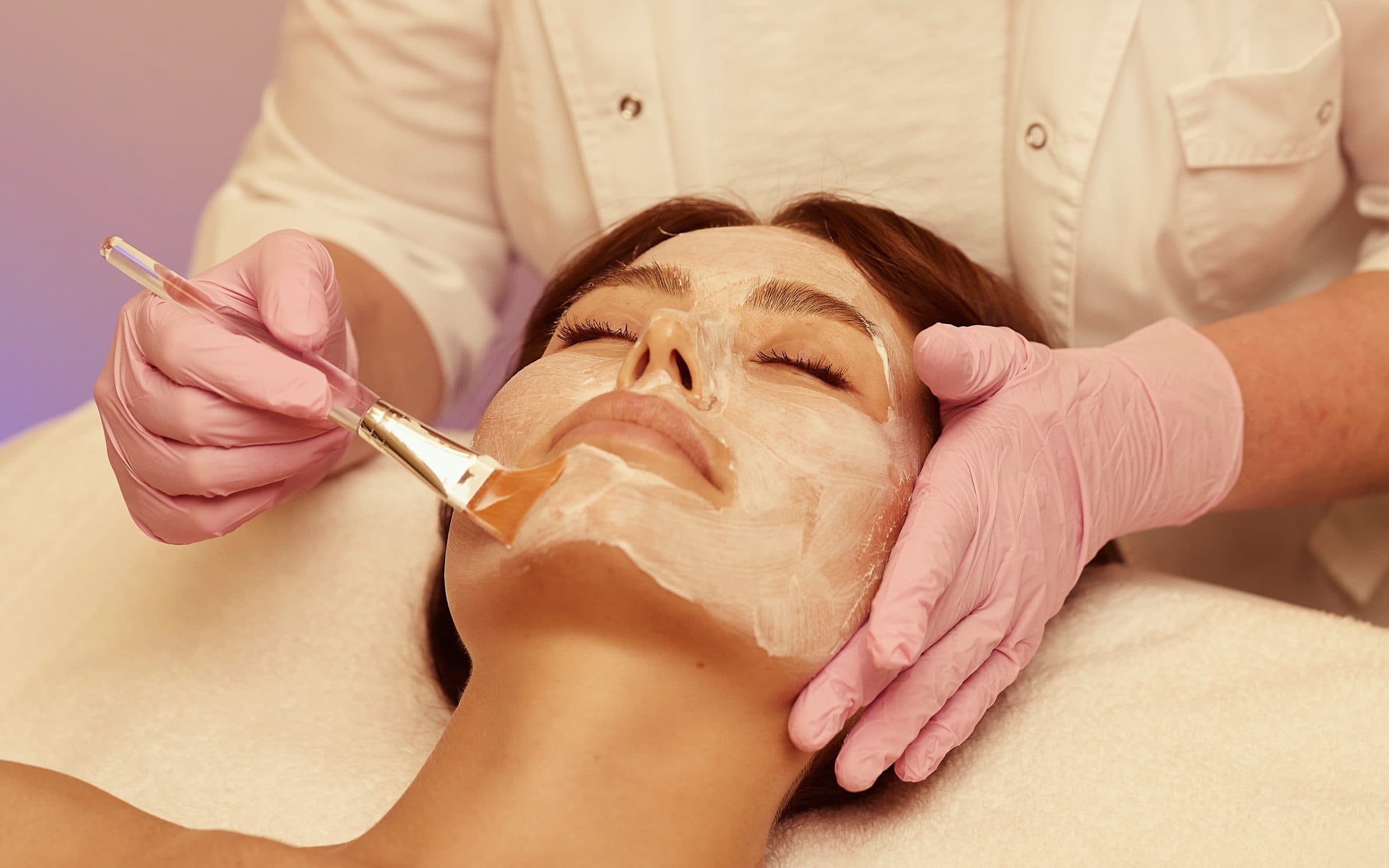
If you've had a facial in a Texas resort, a Houston spa chain, or any of the airport-adjacent wellness lounges that have proliferated since 2018, you've had what the industry calls an "American facial." Cleanse, exfoliate, mask, serum, moisturize. Maybe a five-minute scalp rub if the practitioner is generous. Time: fifty minutes. Outcome: pleasant.
A European facial is structurally different. The bones of the technique come from a tradition where facials live inside manual-technique curricula, not beauty curricula. The double cleanse is more deliberate. A warm botanical compress is used to open follicles before manual extractions — the extractions themselves are non-negotiable and done thoroughly. A lymphatic drainage sequence follows the masque. The closing massage runs ten to fifteen minutes, not three.
Time-wise: a real European facial is sixty minutes of treatment, never shorter. The American compressed version exists because spa economics demand throughput. A European-trained practitioner working a forty-five-minute slot is not performing a European facial — they're performing a forty-five-minute approximation of one.
The lymphatic drainage component is where most American facials lose the thread. Drainage requires anatomical knowledge: where the lymph nodes sit (under the ear, behind the clavicle, along the jaw), in what order to activate them, at what pressure. Most American training programs spend two hours on this content. Eastern European programs spend semesters on it. The difference shows up as visible reduction in puffiness within hours of the treatment.
Manual extractions are the second divergence. American practitioners are increasingly trained to skip them — they're uncomfortable, they take time, they create the possibility of bruising. The European tradition treats extractions as a clinical necessity: if comedones are present, they come out. The post-extraction inflammation is treated with cold globes, a calming masque, and a final round of drainage.
At Vera Pelle, that's sixty minutes of treatment after a ten-to-fifteen-minute consultation — seventy-plus minutes in the room, and none of it on a device. It includes everything an American facial does — and three protocols an American facial typically doesn't: thorough manual extractions, full lymphatic drainage sequence, and a closing massage that addresses the trapezius and scalp.
The bones of the technique. That's what European means.
Continue reading
Want to book the treatment this piece is about? See the service page →
Pairs with
From the shelf & the menu.
Pelle Vista
Get the next one in your inbox.
Monthly at most. From the treatment room itself.