products · 5 min read
Peptides, neuropeptides, ectoine, PDRN: the evidence
Four ingredients on every launch list this fall. What the studies found, where the evidence is thin, and the Marini products we carry that use them.
By Zhanna Graeff · November 24, 2026
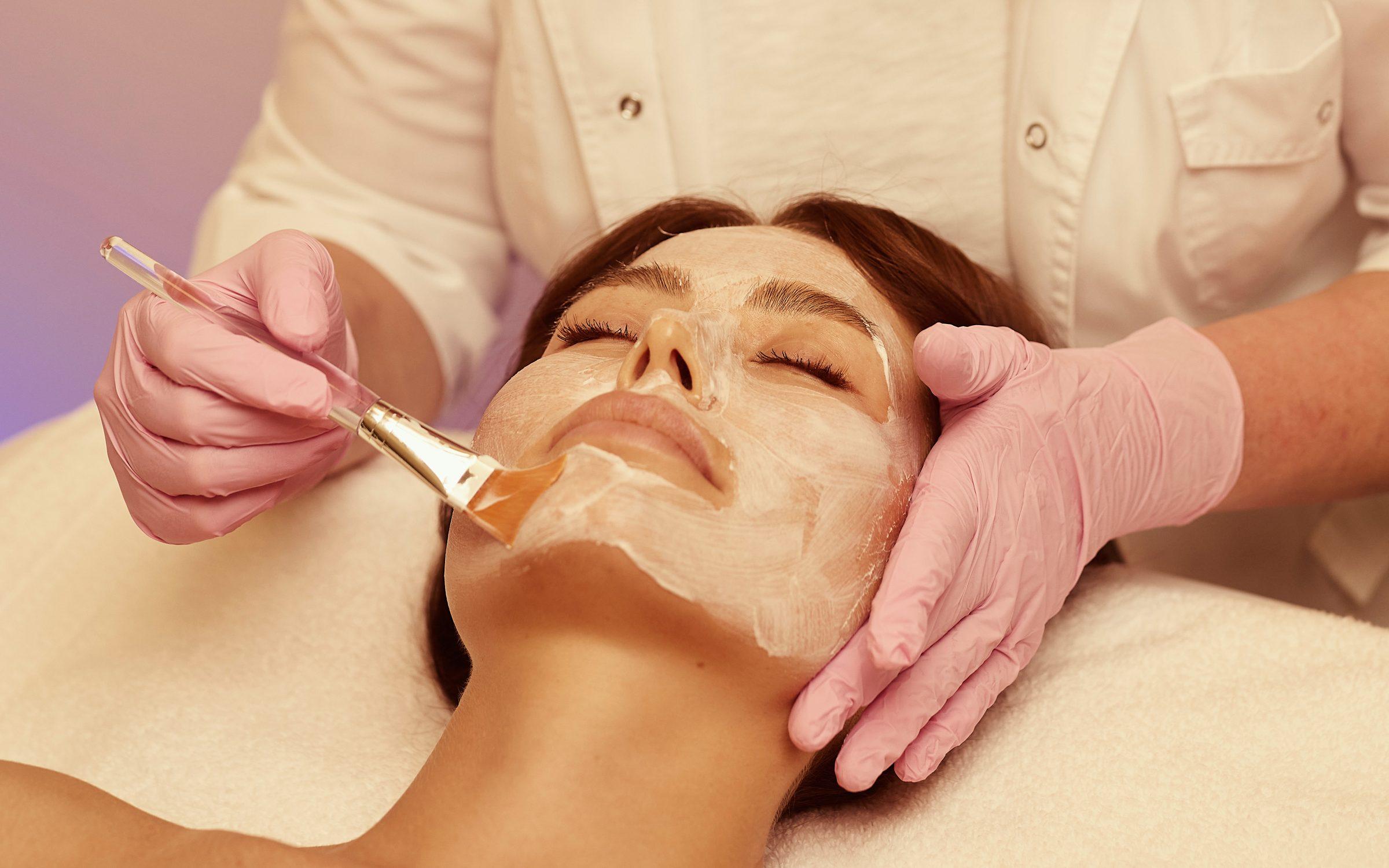
Four ingredients appear on many skin care launches this fall: peptides, neuropeptides sold as a topical alternative to injections, ectoine, and PDRN, a salmon-DNA ingredient from Korean aesthetic medicine. Clients often bring me screenshots of these products. Below is what the studies show for each.
Peptides
Peptides are short chains of amino acids. The word covers hundreds of different molecules that do different things: some signal skin cells, some carry copper, some are fragments of collagen meant to be swallowed. A label that says a serum contains peptides does not tell you what it does.
The largest review this year, a 2026 meta-analysis in Frontiers in Medicine, pooled 19 randomized trials with 1,341 people. Peptides improved skin hydration and had a modest effect on wrinkles. But 17 of the 19 trials studied peptides taken by mouth. Only two tested peptides on the skin, and the authors wrote that the data are insufficient for definitive conclusions.
In my view, a well-made peptide serum is a reasonable hydrating step. It has not been shown to treat wrinkles, and a higher price does not change that.
Neuropeptides
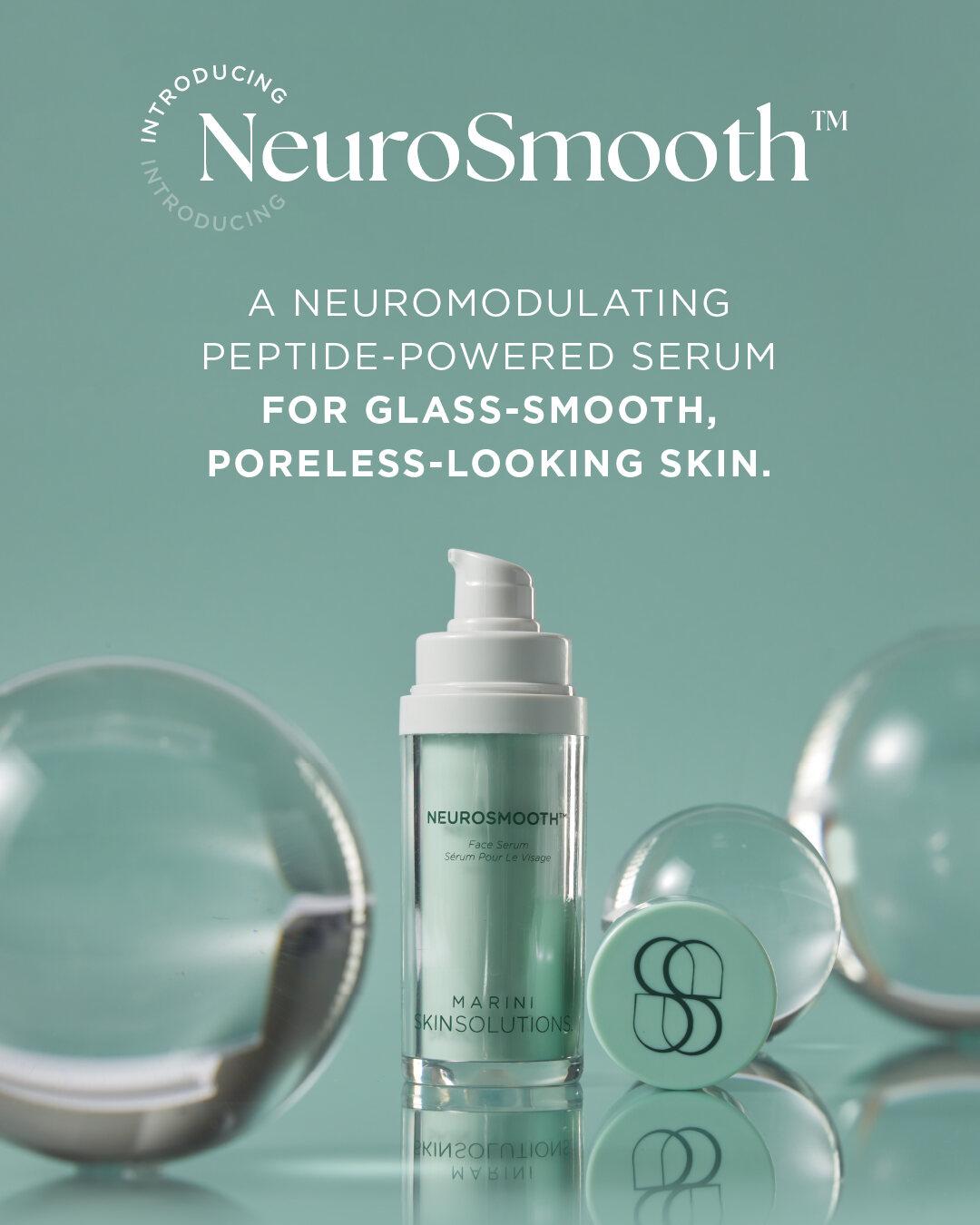
"Neuropeptide" on a label almost always means acetyl hexapeptide-8, sold to formulators as Argireline. It is modeled on a piece of SNAP-25, a protein nerve endings use to tell a muscle to contract. The idea is a cream that softens expression lines without a needle.
The best-known trial, published in the American Journal of Clinical Dermatology in 2013, gave 60 adults either the peptide or a placebo for the lines around their eyes, twice a day for four weeks. Graders rated 48.9% of the peptide group improved and none of the placebo group, and silicone replicas of the skin measured less roughness. The study had limits. In a 2022 review for dermatologists, Dr. Chloe Goldman pointed out that the trial was not blinded. She also cited lab work on donor skin: less than 1% of a 10% Argireline emulsion got in, almost all of it stayed in the outer layer, and none reached the dermis, let alone the muscle beneath it. Her conclusion was that the smoothing more likely comes from hydration and surface effects than from anything like a neuromodulator.
Marini's NeuroSmooth stacks acetyl hexapeptide-8 with five more peptides (acetyl tetrapeptide-2, tripeptide-56, sh-oligopeptide-4, palmitoyl tetrapeptide-7 and dipeptide-2), plus arnica, vitamin K1 oxide and hesperidin methyl chalcone. Marini shared two practitioner case studies with us. In one, at Dr. Kelly Bomer's practice in Scottsdale, 23 people used the serum morning and evening for eight weeks, 15 of them alongside neuromodulator injections. In the other, at Awaken Aesthetics in New Jersey, 11 people followed the same plan. Both report better texture, pore size, fine lines and redness on a 10-point grading scale, no adverse events, and no difference between the groups with and without injections. Neither had a comparison group on a plain serum, the numbers are small, and the documents do not say whether the graders knew who was using what. They are case reports supplied by the brand, not controlled trials.
In my view, a neuropeptide serum can make skin look smoother and more even, mostly through what it does at the surface. It does not do what an injection does, because nothing spread on the skin reaches the muscle. If you already have injections, the case studies suggest it can be used alongside them.
Ectoine
Ectoine is a molecule that bacteria living in salt lakes and deserts make to keep from drying out. In skin care it binds water and is used to calm irritated skin.
A 2026 split-face study in Biomedicines tested a 7% ectoine cream on 30 adults having laser treatments: ectoine on one side of the face, a plain base on the other. The ectoine side showed less redness, better hydration and slightly less water loss. It was a small, short, exploratory study, and a laser-treated face is not an ordinary morning. It is still a result measured in people, which many newly launched ingredients lack.
In my view, ectoine is worth trying on sensitive, reactive or post-procedure skin. It does not replace a moisturizer or sunscreen.
PDRN
PDRN, polydeoxyribonucleotide, is a DNA fragment, usually from salmon. In Korean and European aesthetic medicine it is injected, and most of the published research is on injected products. Even there the evidence is thin. A review presented at IMCAS World 2026, the aesthetic medicine congress, called its scientific foundation weak: small studies, varied methods, little long-term data. There is no FDA-approved PDRN injectable for aesthetic use.
Serums are a different case. A molecule injected into the dermis does not behave the same way as the same molecule applied to the skin's surface, so results from injections do not apply to serums.
For the serum we carry, Marini shared one study in November 2026. Dr. Zoe Draelos, a dermatologist who has run cosmetic studies for many years, had 30 people aged 25 to 65 use Marini Reboot PDRN Face Serum on its own for 12 weeks. Marini reports 74% more skin hydration, 27% less water lost through the skin, less redness, and better texture and fine lines as graded by the physician. The summary we received does not describe a comparison group on a plain serum, and the results come from the brand. The results are encouraging, and better hydration with less water loss is what a good serum should deliver.
In my view, a PDRN serum, from us or anyone, is worth buying if it is a good serum for your skin. It should not be expected to work like an injected treatment.
What still works best
The ingredients with the most evidence are not new, and we carry each of them:
- Retinoids for sun damage: Marini Retinol Plus. Start slowly, wear sunscreen with them, and skip them in pregnancy.
- Ceramides, glycerin and hyaluronic acid for moisture and the barrier: Marini Hyla3D Face Serum layers hyaluronic acid under any moisturizer.
- Broad-spectrum sunscreen every day: Marini Physical Protectant Tinted SPF 45, a tinted mineral sunscreen, or Antioxidant Daily Face Protectant SPF 33 if you prefer no tint.
A new ingredient is worth adding only once those basics are in place.
On our shelf
The easiest way to put all of this into practice is Marini's Skin Care Management System, then one targeted treatment stacked on top for the concern you actually have.
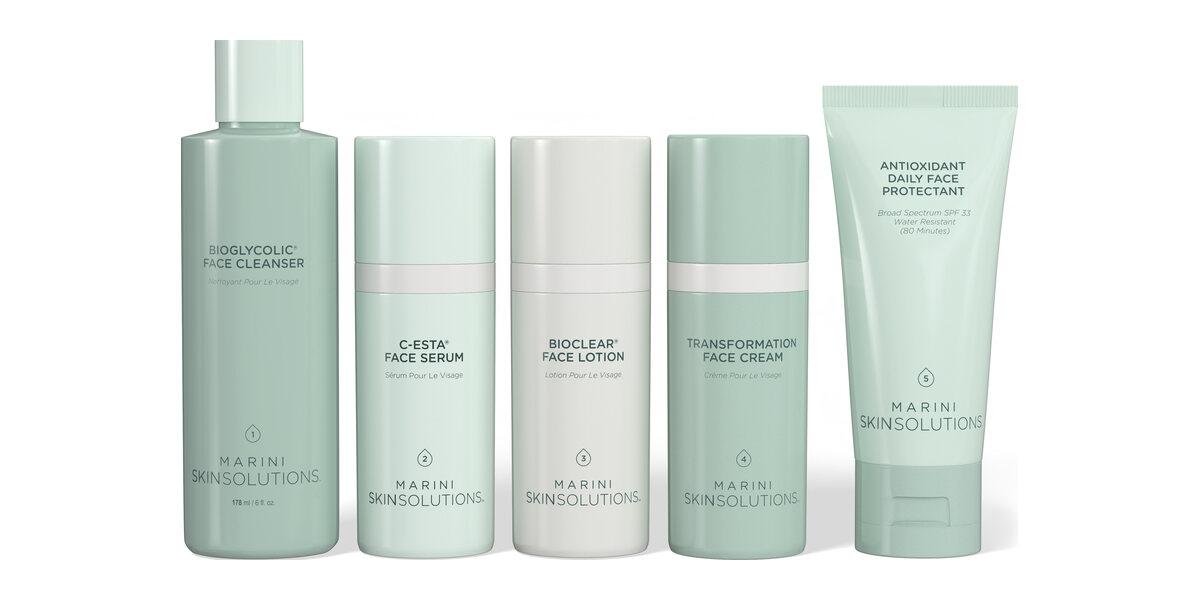
Skin Care Management System. Five steps that cover the basics: Bioglycolic cleanser, C-ESTA vitamin C serum, Bioclear (glycolic, salicylic and azelaic acids), a daily face cream, and sunscreen. The cream and sunscreen are chosen for normal-to-combination or dry skin. See it in our shop.
Then add one of these, one at a time, so you can tell what each is doing:
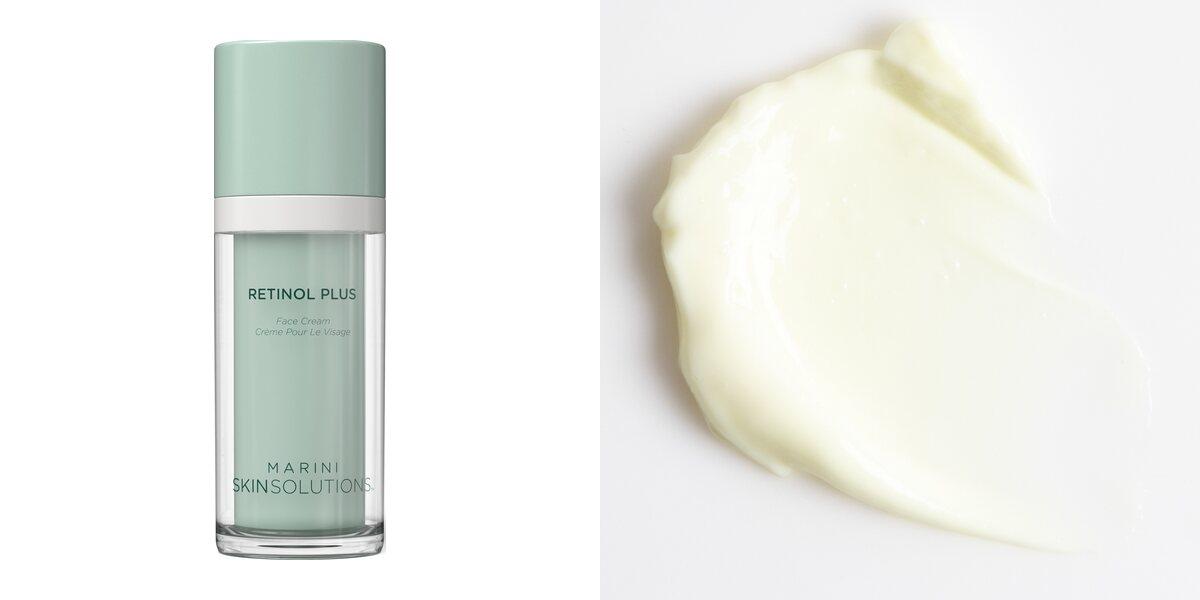
Retinol Plus. Retinol with peptides, green tea and hyaluronic acid, for sun damage and texture. Start slowly, wear sunscreen with it, and skip it in pregnancy. See it in our shop.
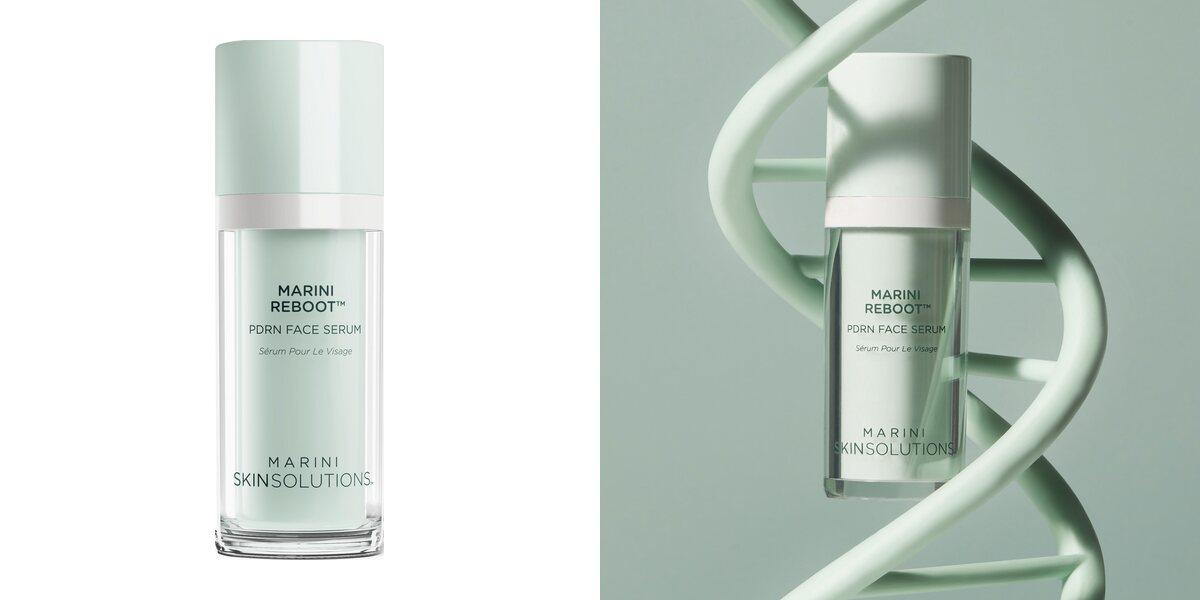
Reboot PDRN Face Serum. Salmon-derived PDRN (listed as sodium DNA) with palmitoyl pentapeptide-4, ceramide NP, squalane and hyaluronic acid. A daily serum; the PDRN section above says what to expect from it. See it in our shop.
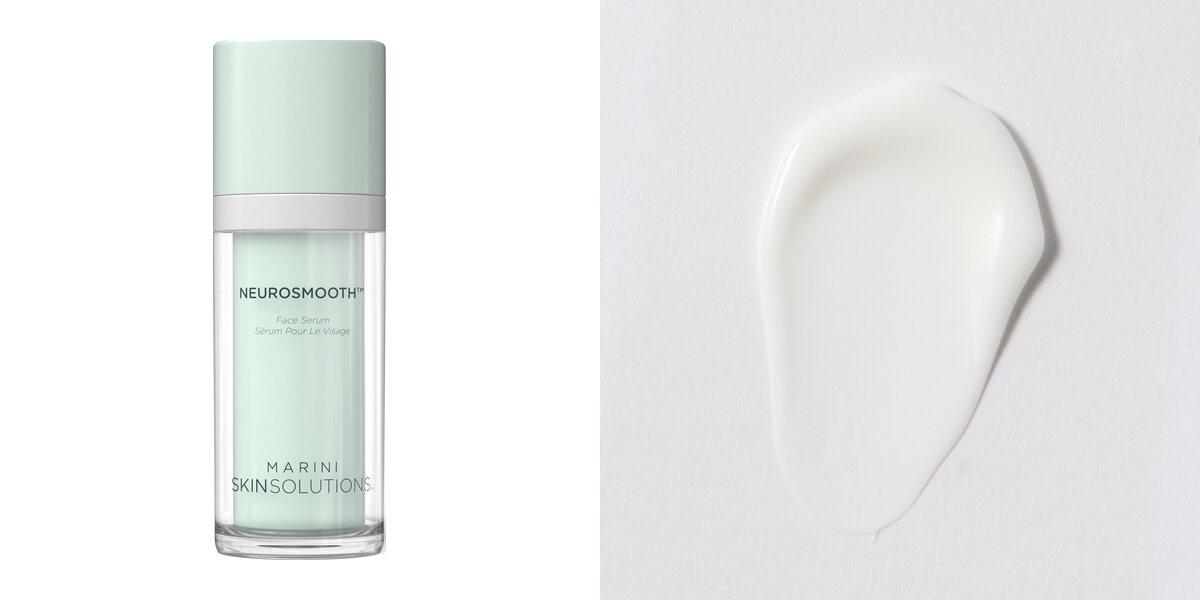
NeuroSmooth. The six-peptide serum described above, for texture, pores and fine lines. See it in our shop.
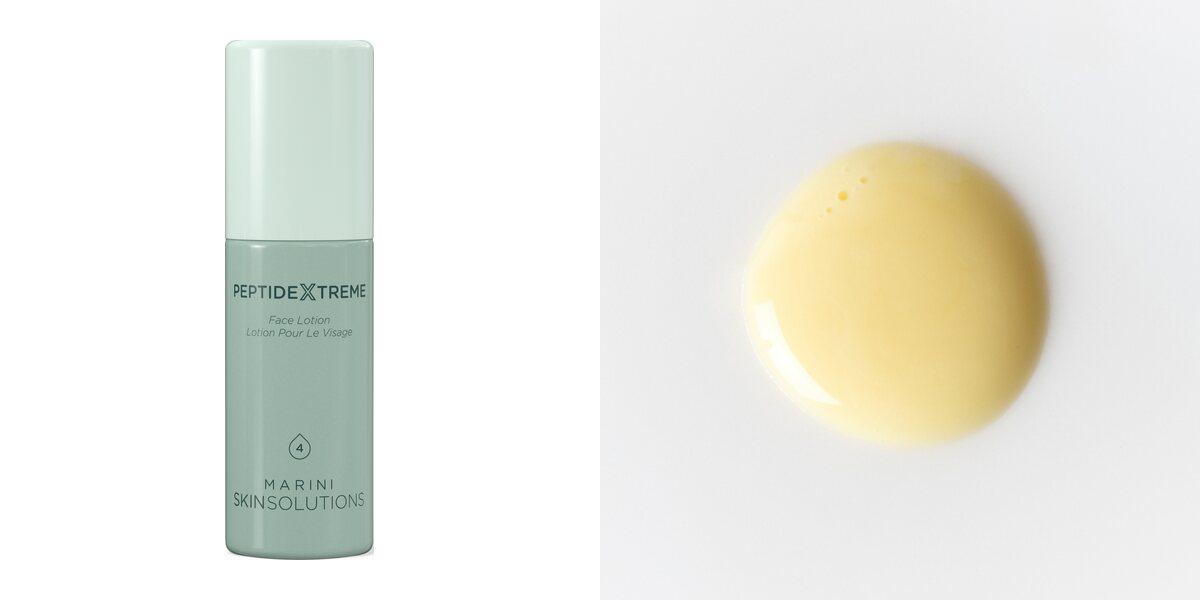
PeptideXtreme. Five peptides with coenzyme Q10, green and red tea, grape seed and pomegranate extracts, in a light lotion for normal, combination and oily skin. See it in our shop.
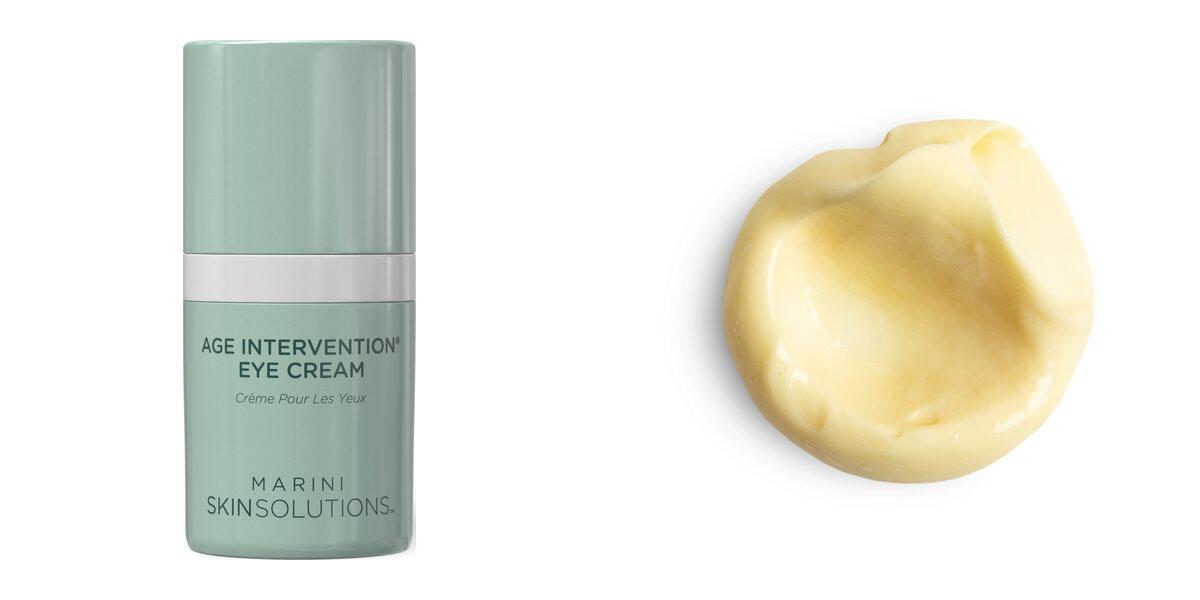
Age Intervention Eye Cream. Peptides with retinol and hyaluronic acid for the eye area. Because it contains retinol, wear sunscreen while you use it; Marini advises against it in pregnancy and while breastfeeding. See it in our shop.
If you would rather order from Marini online, each product page has a Buy direct from Marini button, with a link just below it to connect your Marini account to us first: sign in, search 77007, and choose Vera Pelle European Skin Spa. Marini ships free, and everything you order after that supports the studio.
How I decide
I ask three questions about every product a client brings in:
- What is it supposed to do, and is that your problem?
- Was it tested on people, in a finished product, or only in a dish?
- Will it irritate your skin, or work against something already in your routine?
In Idro-Pulizia Clinica I choose the serum booster (Hydro Glycolic, Vitamin C, Peptide, Salicylic or Hyaluronic) once I have looked at the skin, never in advance. Bring your products to your consultation at the studio in Sawyer Yards, and we will go through them together.
Frequently Asked
The questions clients actually ask.
- Do peptide serums work?
- Some peptides improve hydration. A 2026 review of 19 trials found modest effects, but only two of those trials tested peptides applied to the skin, so the evidence for topical peptide serums is still thin.
- Do neuropeptide serums work like Botox?
- No. Acetyl hexapeptide-8, the usual neuropeptide, barely gets past the outer layer of skin in lab tests and does not reach the muscle. Small studies show smoother-looking skin, most likely from hydration and surface effects. At Vera Pelle we carry Marini NeuroSmooth as a smoothing serum, not a substitute for injections.
- What is ectoine good for in skin care?
- Ectoine binds water and calms irritation. A small 2026 split-face study found less redness and better hydration with a 7% ectoine cream in adults having laser treatments. It suits sensitive and reactive skin.
- Does a PDRN serum work like PDRN injections?
- Not necessarily. Most PDRN research concerns injected products, and evidence for an injection does not carry over to a serum applied to the surface. Treat a PDRN serum as a hydrating step, not a repair procedure.
Continue reading
Want to book the treatment this piece is about? See the service page →
More from Pelle Vista
Continue the thread.
Pelle Vista
Get the next one in your inbox.
Monthly at most. From the treatment room itself.